Why reliable suppliers ensure both performance and beauty
Everything You Need to Learn About Choosing the Perfect Door for Any Area
Picking the perfect door for any area calls for careful consideration of various variables. Different door kinds serve distinctive functions, while materials can influence both longevity and aesthetics. Dimensions play an essential function in functionality. Safety and security attributes can not be ignored. As one browses the complexities of layout and maintenance, the choices can feel overwhelming. Recognizing these elements is necessary for making a notified choice that stabilizes functionality with style. What key variables will become many considerable?
Comprehending Different Door Kinds
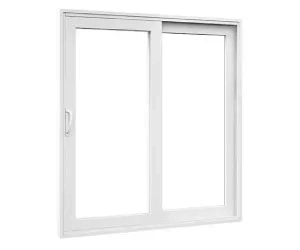
When selecting a door, it is necessary to recognize the different kinds available, as each offers a distinct function and aesthetic. One of the most typical types consist of copyrightd, sliding, bi-fold, and pocket doors. copyrightd doors, which turn open on a collection of copyrights, are versatile and appropriate for both exterior and interior usage. Sliding doors, typically made use of for outdoor patios, conserve room and offer a smooth change in between inside your home and outdoors. Bi-fold doors contain numerous panels that fold up to one side, making them ideal for large openings and optimizing natural light. Pocket doors glide right into the wall, providing a hidden alternative that is ideal for little areas. Each door kind not just adds to functionality yet likewise enhances the overall design of a room, allowing house owners to choose a style that matches their individual preference and architectural vision. Recognizing these choices is important for making an informed choice.
Exploring Materials and Their Advantages
Selecting the best door product can noticeably influence both performance and aesthetic appeals. Different materials supply distinctive advantages, making it important to review the specific needs of a space. Wood doors, as an example, are valued for their natural elegance and insulation residential or commercial properties. They can be personalized to fit any design style, yet call for routine maintenance to stop bending and damage.
Steel doors, especially steel, offer improved security and toughness, making them ideal for outside applications. They are resistant to weather and bugs, yet might do not have the warmth of wood. Fiberglass doors combine the ideal of both globes, supplying longevity with the look of wood, while also being energy-efficient.
Ultimately, glass doors can create a sense of visibility and permit natural light to flow into a space. They might need added privacy solutions. Comprehending these materials allows informed decisions that line up with both useful requirements and aesthetic preferences.
Size Issues: Picking the Right Capacities
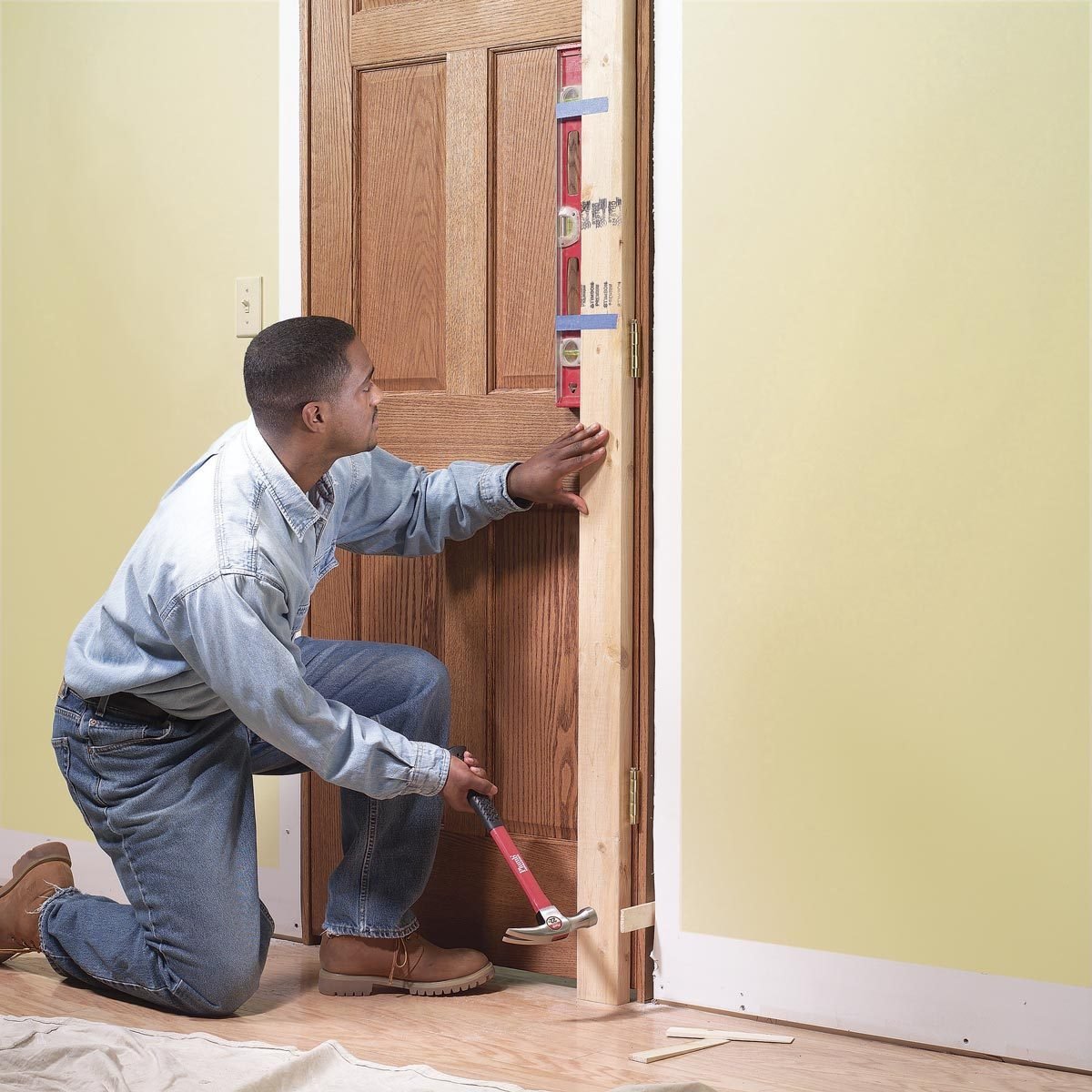
When selecting a door, comprehending the ideal dimensions is essential. Conventional door sizes give a valuable starting point, however properly measuring one's space assures a correct fit (door installation services). In addition, considerations for custom dimensions might occur, especially in unique building settings
Conventional Door Sizes
The dimensions of doors play a vital duty in both functionality and aesthetics within a room. Standard door sizes vary based on the sort of door and its desired use. The most typical interior door dimensions are 24, 28, 30, 32, and 36 inches in size, with elevations typically at 80 inches. Exterior doors tend to be broader, typically gauging 36 inches, offering easier accessibility. Additionally, some basic dimensions might fit particular demands, such as dual doors or pocket doors, which can boost style versatility. It is crucial to consider these basic dimensions when choosing a door, as they assure compatibility with existing frames and offer a balanced aesthetic influence, eventually contributing to the overall design of the room.
Determining Your Area
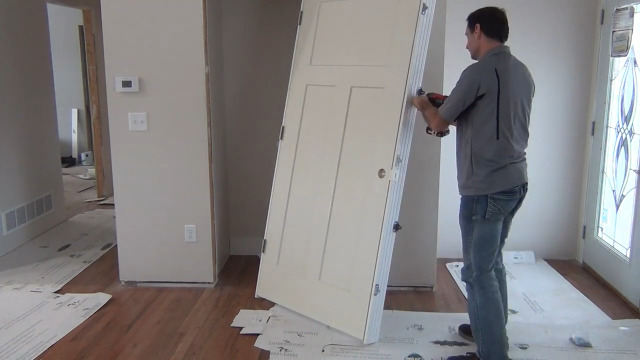
Accurate dimensions are crucial for making certain that a new door fits seamlessly within an assigned opening. To begin, one should gauge the size and height of the door frame, remembering of any type of abnormalities in the structure. It is a good idea to gauge at a number of points to make up variants, specifically in older homes. The conventional door size is commonly 30, 32, or 36 inches, while the elevation normally measures 80 inches; nevertheless, it is crucial to confirm these dimensions against the details opening. Furthermore, think about the swing direction of the door and any kind of potential obstructions in the surrounding location. Proper measurements permit for a smoother setup procedure and enhance the general capability of the door within the area.
Custom Capacities Considerations
Customized dimensions play an essential duty in ensuring that a door not only fits flawlessly but additionally enhances the total design of a room. doors supplier. When choosing a door, it is crucial to take into consideration the distinct dimensions of the door framework, along with any kind of building attributes nearby. Custom-sized doors enable a seamless assimilation into different designs, whether traditional, modern, or rustic. Additionally, they can boost performance, providing appropriate clearance and access. Home owners must also factor in the door's density and material, as these aspects can affect insulation and toughness. Ultimately, purchasing custom dimensions results in a customized option that boosts the aesthetic charm and practicality of any type of space, creating a cohesive environment
Enhancing Security Features
While house owners focus on visual charm when choosing a door, improving safety and security features continues to be a critical consideration. A well-chosen door not just matches the home's layout yet additionally acts as a first line of protection against breaches. The product plays a substantial function; strong wood or steel doors commonly offer remarkable toughness contrasted to hollow-core options.
In addition to product, property owners must consider the door's securing devices. Multi-point securing systems supply enhanced safety by engaging at numerous points along the framework, making break-in harder. Strengthened frameworks and strike plates can better reinforce visit this site door safety.
Furthermore, the setup of wise locks uses convenience and innovative safety functions, such as remote monitoring and keyless entrance. Home owners must also assess door limits and weather condition removing, as these can protect against unapproved access and boost energy performance. Inevitably, incorporating durable security functions guarantees peace of mind without jeopardizing the door's total performance.
Visual Factors To Consider: Style and Design
A door's style and design considerably affect a home's overall aesthetic, as it serves as both an entryway and an aesthetic centerpiece. Picking the appropriate door involves mirroring on different layout elements that mirror the homeowner's preference and the architectural design of the home. Contemporary homes might gain from sleek, minimalist doors including glass panels, while standard styles may accept luxuriant wooden styles with intricate carvings.
Shade and finish likewise play considerable functions in boosting visual charm; vibrant colors can make a statement, while muted tones commonly blend harmoniously with the surrounding atmosphere. In addition, equipment selection-- such as handles and pivots-- need to match the door's design to create a cohesive look.
Inevitably, an attentively chosen door not just boosts visual charm but likewise establishes the tone for the interior room, making it vital to assess aesthetic elements throughout the selection process.
Maintenance and Resilience Factors
When choosing a maintenance, door and durability are important considerations that impact its long-term efficiency. An introduction of material choices discloses differing degrees of upkeep and resilience, while practical upkeep ideas can prolong the door's life-span. Furthermore, evaluating weather resistance is crucial for ensuring that the door stands up to ecological elements successfully.
Material Comparison Overview
Selecting the ideal door product is vital for homeowners looking for durability and low upkeep. Different products supply unique advantages. Steel doors, as an example, give superb resistance to deterioration, making them ideal for high-traffic areas. Fiberglass doors are an additional solid alternative; they withstand moisture and are much less vulnerable to scrapes and dents. Timber doors, while cosmetically pleasing, require even more upkeep as a result of sensitivity to bending and decay. Plastic doors offer a budget-friendly option with marginal maintenance, though they might not supply the same durability as steel or fiberglass alternatives. Eventually, the choice of material impacts not just the door's lifespan however likewise the quantity of maintenance called for, affecting general property owner fulfillment.
Maintenance Tips for Durability
Regular upkeep plays an important function in expanding the life expectancy of doors, regardless of the material selected. Property owners need to consistently examine doors for any type of indications of damages, such as fractures or bending. For wood doors, regular sanding and refinishing can prevent deterioration and keep aesthetic appeal. Metal doors benefit from a clean, rust-free surface, which can be achieved with normal cleaning and the application of safety layers. Locks and joints call for lubrication to assure smooth procedure, minimizing damage. Additionally, making certain that door frameworks are properly lined up can prevent unnecessary stress on the door itself. By adhering to these maintenance practices, individuals can substantially improve the sturdiness and capability of their doors, inevitably adding to long-lasting worth.
Weather Resistance Factors To Consider
Weather condition resistance is commonly forgotten, it is a crucial variable in the choice and upkeep of doors. Appropriate weather-resistant doors can substantially boost a home's power efficiency and secure versus temperature, wind, and moisture changes. Products such as fiberglass and steel provide exceptional toughness compared to timber, which might warp or rot gradually. Additionally, the top quality of seals and weather stripping plays a vital duty in protecting against drafts and basics water infiltration. Routine assessments and maintenance can further extend a door's life-span, ensuring it remains aesthetically attractive and functional. House owners should focus on weather condition resistance to minimize possible damage and minimize long-term repair work costs, inevitably adding to a much more Visit This Link sustainable living environment.
Regularly Asked Concerns
How Do I Know if I Required a Custom-Sized Door?
To establish if a custom-sized door is needed, one ought to gauge the existing door frame and examine any abnormalities or one-of-a-kind building attributes. If typical dimensions do not fit, custom choices end up being essential for appropriate installment.
What Are the very best Door Options for Soundproofing?
The best door options for soundproofing consist of strong wood doors, fiberglass doors with sound-dampening cores, and specifically created acoustic doors. These materials successfully lower noise transmission, enhancing privacy and comfort in various atmospheres.
Can I Mount a Door Myself, or Should I Work with an Expert?
If he possesses the needed abilities and devices, he can install a door himself (door installation services). However, working with a specialist may ensure a better installation, especially for complex or hefty doors calling for accurate measurements and positioning
What Are the Typical Expenses Linked With Various Door Kinds?
Typical prices for doors vary substantially; indoor doors vary from $50 to $500, outside doors from $200 to $2,000, and specialized doors can exceed $5,000. Product, layout, and setup influence general rates.
Just How Can I Improve Energy Performance With My Door Selection?
Selecting protected doors with climate removing and energy-efficient glazing substantially improves power efficiency. Additionally, selecting solid materials over hollow alternatives decreases air leakage, adding to far better temperature level law and reduced power costs in any kind of space.
Conventional door sizes vary based on the type of door and its designated usage. When selecting a door, it is important to take right into account the unique measurements of the door structure, as well as any kind of architectural features close by. In addition, making sure that door frameworks are effectively lined up can prevent excessive stress and anxiety on the door itself. The finest door options for soundproofing include solid wood doors, fiberglass doors with sound-dampening cores, and specifically designed acoustic doors. Average prices for doors vary substantially; indoor doors vary from $50 to $500, outside doors from $200 to $2,000, and specialized doors can surpass $5,000.